
Kazan Lake: Boosting Rural Tourism & Economy
Discover how Kazan Lake can enhance rural tourism and local economic development through its unique natural attractions, recreational facilities, and community collaboration. Explore the potential for sustainable tourism that preserves the landscape while benefiting local businesses and residents.
RURAL COMMUNITY
Mithat Direk
9/25/2026


In the heart of Çukurova, where the Mediterranean sun warms the fertile plains of southern Türkiye, lies a natural attraction that remains relatively unknown beyond its surrounding communities. Kazan Lake, also known as Kazan Waterfall, is a striking geological formation in the İmamoğlu district of Adana, about 70 kilometres from Adana city centre and 20 kilometres from the district town. Shaped like a giant natural cauldron, the site was formed by water emerging through a geological collapse, creating a spring-fed waterfall that flows into a peaceful lake below. Its unusual landscape, flowing water, and surrounding natural environment make it a distinctive destination for visitors seeking an experience beyond conventional tourism.
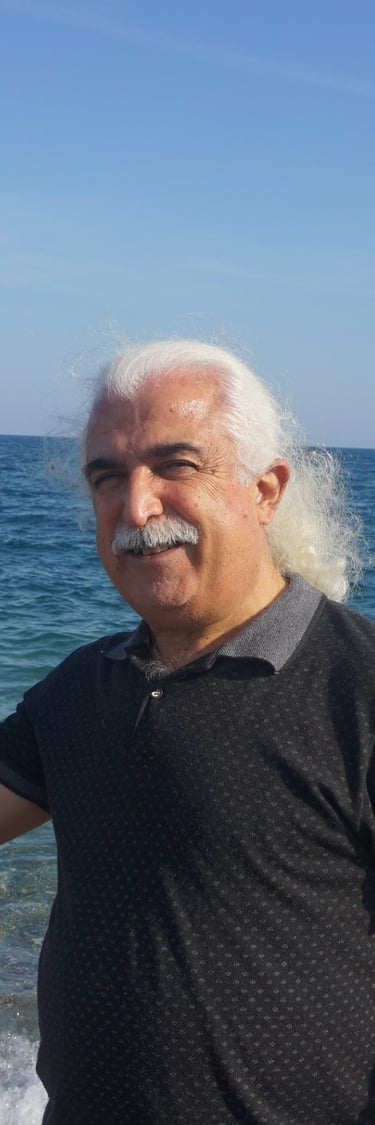
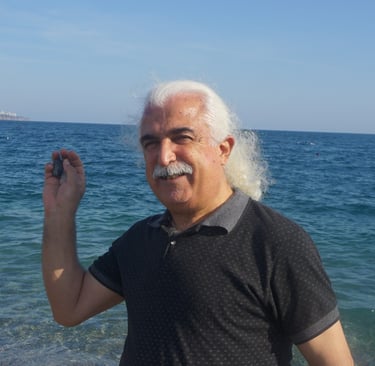
Since opening to the public in October 2021, Kazan Lake has developed as a recreational and picnic area where visitors can enjoy the landscape, spend time outdoors, and connect with nature. Despite its natural beauty and available facilities, however, the site remains relatively unfamiliar to a wider tourism market. Researchers from Selçuk University argue that greater recognition and carefully planned promotion could allow this rural attraction to contribute more substantially to the local economy.
Tourism is often described as a major service industry that connects people with places, cultures, landscapes, and local economies. Within this broad sector, rural tourism has gained increasing attention because it offers visitors opportunities to escape crowded urban environments and experience nature, agriculture, traditional lifestyles, and local culture. Rural tourists may stay in villages, farmhouses, guesthouses, or rural accommodation while participating in activities such as hiking, camping, outdoor recreation, agricultural experiences, and visits to natural attractions.
Türkiye has considerable potential in this area. While the country is internationally recognized for its coastal tourism, its geographical and ecological diversity provides opportunities to develop a much broader range of tourism experiences. Lakes, waterfalls, forests, villages, farms, agricultural landscapes, and traditional communities can all become part of responsible rural tourism development.
The benefits can extend well beyond recreation. Rural tourism can create employment, generate supplementary income for farming households, encourage local entrepreneurship, and increase demand for agricultural products, food, handicrafts, and hospitality services. It can also strengthen community participation, preserve cultural traditions, and encourage investment in rural infrastructure. Environmentally managed tourism can create incentives to protect natural landscapes and sensitive ecosystems.
For places such as Kazan Lake, the opportunity is therefore not simply to attract more visitors, but to connect tourism with local livelihoods and conservation. If developed responsibly, rural tourism can diversify rural economies, increase the value of local resources, and create new reasons for young people and families to remain in their communities rather than migrating to cities. Kazan Lake illustrates how a relatively small natural attraction can become part of a broader strategy for sustainable rural development.
Experiencing Nature and Leisure at Kazan Lake
Kazan Lake offers visitors a refreshing combination of natural beauty, outdoor recreation, and thoughtfully developed facilities. Managed and structured by the İmamoğlu Municipality, the site provides several simple but memorable ways for families, friends, and nature lovers to enjoy the landscape while spending quality time outdoors.
One of the most enjoyable experiences is walking around the lake. The site has been designed with paths, stairs, and gradually changing levels that allow visitors to explore different parts of the area while enjoying views of the water and surrounding landscape. Walking is not only a pleasant way to discover the site but also a simple form of physical activity that can support mental relaxation and general wellbeing. Visitors who plan to explore the area fully can benefit from wearing comfortable sportswear and suitable walking shoes.
Picnicking is another popular attraction. Spacious seating areas and barbecue facilities allow families and groups to spend several hours in a relaxed outdoor environment. Visitors can bring homemade pastries, cakes, tea, and other refreshments or prepare food such as kebabs using the available facilities. Eating together beside the lake, surrounded by flowing water and natural scenery, adds a social dimension to the experience and makes the site particularly attractive for families.
The large swing near the entrance has also become a favourite feature, particularly among visitors who want to capture photographs and create memorable moments. Even adults can enjoy the swing, making it an unusual attraction within the recreational area. Its popularity means that visitors may sometimes have to wait for their turn, especially during busy periods, but the experience has become part of the charm of visiting the site.
For those looking for a meal, the restaurant within the lake area provides another highlight. Positioned beside a flowing stream, it offers kebab-style dishes, non-alcoholic beverages, and an open-air setting that remains pleasant during warmer months. The sound of running water adds to the atmosphere, creating a natural backdrop while visitors dine. Reasonable prices also make the restaurant accessible to a wide range of visitors.
Together, these facilities demonstrate how a natural attraction can be developed without losing its connection to the landscape. Kazan Lake offers more than sightseeing, it provides opportunities for exercise, recreation, family interaction, local food, and meaningful contact with nature.
Turning Kazan Lake’s Hidden Potential into a Rural Tourism Opportunity
Despite its natural beauty, recreational facilities, and distinctive geological character, Kazan Lake remains less visible to tourists than its potential would suggest. Observations during an October 2026 visit indicated relatively limited visitor activity despite the quality of the site and its thoughtful development. This gap between what the destination offers and how widely it is known represents both a challenge and an opportunity. Kazan Lake does not necessarily need a complete transformation; it needs greater visibility, better connectivity, stronger promotion, and integration into the wider rural tourism network of Adana and Çukurova.
The limited academic attention given to the site is another indication of its low profile. A review of available literature found very little scientific or tourism-related documentation specifically focused on Kazan Lake. Greater research attention could help establish a documented identity for the destination while providing useful information for tourism planners, local authorities, researchers, and visitors. Studies covering its geological formation, ecological characteristics, tourism potential, visitor preferences, and economic contribution could provide a stronger foundation for future development.
Promotion should be one of the first priorities. Local and regional authorities could use television, newspapers, tourism websites, social media, travel platforms, and outdoor advertising to introduce Kazan Lake to a wider audience. High-quality photographs and short videos could showcase the waterfall, lake, walking areas, surrounding landscape, restaurant, and recreational facilities. Visual storytelling is particularly important because the destination's strongest asset is its scenery. A coordinated promotional campaign could position Kazan Lake alongside other attractions in Adana rather than treating it as an isolated destination.
Such promotion would benefit from collaboration among experts from Geography, Tourism, Environment, Geology, Agriculture, and related disciplines. Geologists could explain the unusual formation of the lake, environmental specialists could document its ecological value, tourism researchers could assess visitor demand and carrying capacity, while agricultural and rural-development specialists could explore links with nearby farms, local food, and community enterprises. Brochures, interpretive signs, digital content, research articles, and visitor guides developed through such collaboration would give the site a stronger and more credible identity.
Improving access is equally important. The connecting road from the main route to the lake is relatively narrow and could benefit from upgrading, particularly in terms of safety, surface quality, signage, and visitor navigation. Good infrastructure does more than make travel convenient; it communicates that a destination is prepared to welcome visitors. However, development should remain environmentally sensitive so that improved access does not damage the landscape that attracts visitors in the first place.
Organized tours could provide another practical solution. Municipalities and tourism agencies could include Kazan Lake in reasonably priced day trips linking it with nearby rural, cultural, agricultural, and gastronomic attractions. This would allow visitors to experience several destinations during one journey while creating additional opportunities for local businesses.
Finally, awareness campaigns should connect rural tourism with healthy living and wellbeing. Walking, fresh air, outdoor recreation, natural scenery, and peaceful surroundings make Kazan Lake suitable for visitors seeking relief from urban routines. With careful promotion, research, improved access, and responsible tourism planning, this hidden destination could become an important part of Çukurova's rural tourism economy while preserving the natural character that makes it special.
Conclusion
Kazan Lake demonstrates how a relatively little-known natural attraction can contribute to rural tourism and local economic development when its potential is recognized and managed responsibly. Its distinctive landscape, waterfall, recreational facilities, local food, and peaceful surroundings provide a strong foundation for attracting visitors seeking nature-based experiences. However, realizing this potential will require greater visibility, improved access, coordinated promotion, further research, and collaboration among local authorities, tourism professionals, researchers, and rural communities. Linking Kazan Lake with nearby agricultural, cultural, gastronomic, and natural attractions could encourage longer visits and create additional opportunities for local businesses and farming households. At the same time, development should remain environmentally sensitive so that increased tourism does not undermine the natural qualities that make the destination attractive. With careful planning and community participation, Kazan Lake can evolve from a hidden local attraction into a meaningful component of Çukurova’s rural tourism economy, supporting livelihoods while preserving its distinctive natural character.
Please note that the views expressed in this article are of the author and do not necessarily reflect the views or policies of any organization.
The writer is affiliated with the Department of Agricultural Economics, Selcuk University, Konya-Türkiye and can be reached at mdirek@selcuk.edu.tr









Related Stories
📬 Stay Connected
Subscribe to our newsletter to receive research updates, publication calls, and ambassador spotlights directly in your inbox.
🔒 We respect your privacy.
🧭 About Us
The Agricultural Economist is your weekly guide to the latest trends, research, and insights in food systems, climate resilience, rural transformation, and agri-policy.
🖋 Published by The AgEcon Frontiers (sPvt) Ltd. (TAEF) a knowledge-driven platform dedicated to advancing research, policy, and innovation in agricultural economics, food systems, environmental sustainability, and rural transformation. We connect scholars, practitioners, and policymakers to foster inclusive, evidence-based solutions for a resilient future.
The Agricultural Economist © 2024
All rights of 'The Agricultural Economist' are reserved with TAEF